Territorial Stewardship
The Territorial Stewardship Division (TSD) is responsible for protecting the lands, waters, and cultural heritage of the Okanagan Indian Band. Guided by Syilx laws and ancestral responsibilities, we work to ensure that the land continues to sustain our people now and for future generations.
We lead environmental monitoring, cultural heritage protection, watershed restoration, and post-wildfire recovery across OKIB territory. Our team reviews land-use proposals, supports cultural site care, responds to referrals, and works with community, industry, and government partners to make sure OKIB Title and Rights are recognized and upheld.
From caring for sensitive ecosystems to supporting cultural monitors in the field, TSD is dedicated to safeguarding the tmixʷ—the living world—so that our lands remain healthy, resilient, and thriving.
Our work supports:
- Protection of Syilx cultural sites and ancestral places
- Healthy watersheds, wildlife, and forest ecosystems
- Responsible land-use planning and environmental decision-making.
- Community safety, wildfire recovery, and climate resilience
- Strong representation of OKIB’s Title, Rights, and interests
TSD is the steward of OKIB’s land responsibilities and a key part of ensuring the long-term wellbeing of the Nation and its territory
Vision Statement
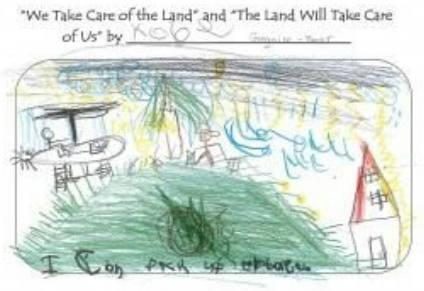
We take care of the land, the land takes care of us
Mission Statement
To manage, protect and enhance the Natural Environment and Cultural Heritage[1]
[1] “Cultural heritage does not end at monuments and collections of objects. It also includes traditions or living expressions inherited from our ancestors and passed on to our descendants, such as oral traditions, performing arts, social practices, rituals, festive events, knowledge and practices concerning nature and the universe or the knowledge and skills to produce traditional crafts.” http://www.unesco.org/culture/…
More information about Territorial Stewardship’s services and Activities
Contact
TSD Office / Administration
12 Bonneau Road, Vernon, BC V0E 1B5
TSD Finance Clerk
Work Request Inquiries
TSD Work Request Form
(Form will be updated in 2026)
Referrals
Referrals
OKIB has transitioned to using NationsConnect as our preferred method to receive referrals.
Referrals sent over email are not considered submitted and will not be reviewed.
To register for NationsConnect, and submit your referral please visit NationsConnect.ca
You will need a spatial file in kml, kmz or zip shapefile formats to submit your referral. Once your referral has been submitted, you can attach additional files or send updated communication through the message feature on NationsConnect.
If you have any questions about NationsConnect or require technical assistance in any way, please reach out to support@kwusen.ca
OKIB Culture and Heritage Policy
OKIB Culture & Heritage Policy
OKIB Chief and Council approved the OKIB Heritage Policy at the March 20, 2023 Band Council meeting. You can read the policy by following this link:
OKIB Culture and Heritage Policy
Hunting Camp FAQs & map
Okanagan Nation Territory Map
First Nations Hunting Right in British Columbia
Hunting Protocols from the Enowkin Centre Traditional Ecological Knowledge Keepers
Okanagan Indian Band (OKIB)
Hunting Frequently Asked Questions (FAQ)
This document provides general information for Okanagan Indian Band members about hunting rights, responsibilities, and safety. It is intended for guidance only and does not replace federal, provincial, or OKIB-specific laws or policies.
1. Who can hunt under Indigenous rights?
Registered members of the Okanagan Indian Band (Status Indians under the Indian Act) have the right to hunt for food, social, and ceremonial purposes.
OKIB members do not require a provincial hunting licence when hunting within their traditional territory. Members should carry valid proof of Indigenous status (Status Card) while hunting.
Although licences may not be required, hunters must still respect public safety laws and conservation measures.
Source:
Government of British Columbia – Hunting Frequently Asked Questions
2. Where can OKIB members hunt?
a) Within OKIB Traditional Territory
No provincial hunting licence required
No provincial bag limits or open season dates apply
Harvest must be for food, social, or ceremonial purposes
Safe, respectful, and sustainable practices are expected
b) Outside OKIB Traditional Territory (Crown Land)
No provincial hunting licence required
All provincial regulations apply, including:
Open seasons
Bag limits
Species restrictions
Equipment rules
c) Private Land or Other First Nations’ Territories
Permission from the landowner or the First Nation may be required
Always confirm access before hunting
Source:
Government of British Columbia – Hunting FAQs
3. When can OKIB members hunt?
Within Traditional Territory
Provincial season dates do not apply
Hunting is permitted year-round for food, social, or ceremonial purposes
Community stewardship and conservation practices should be followed
Outside Traditional Territory
Hunters must follow BC open season dates for each species and region
Season dates vary by animal and Wildlife Management Unit
Source:
BC Hunting & Trapping Synopsis – Okanagan Region
4. Do OKIB members need hunter education or training?
Hunter education and certification are not required for Indigenous members hunting under their Aboriginal rights within traditional territory.
However, hunter education and firearm safety training are strongly recommended, especially when:
Hunting outside traditional territory
Hunting with youth or first-time hunters
Using firearms
Source:
Government of British Columbia – Hunting FAQs
5. Are bag limits and species tags required?
Within Traditional Territory
Provincial bag limits and species tags are not required
Harvest must be reasonable and for sustenance purposes
Outside Traditional Territory
Provincial bag limits and species tags must be followed
Some species may require Limited Entry Hunting (LEH) authorization
Source:
Government of British Columbia – Hunting FAQs
6. What firearm and weapon rules apply?
All hunters must comply with federal firearm laws, including:
Valid firearms licence (PAL), where required
Safe storage and transport of firearms
Lawful use of firearms
Some areas (such as parks or municipal boundaries) may restrict firearm discharge. Always check local regulations.
Source:
Government of British Columbia – Hunting FAQs
7. Are there conservation or restricted hunts?
In certain situations, conservation measures may limit hunting activities to protect wildlife populations. These measures may apply to all hunters, including Indigenous hunters, and are often developed through consultation with First Nations.
Hunters are encouraged to stay informed about:
Wildlife population concerns
Regional restrictions
Community-based harvesting guidelines
Source:
BC Hunting & Trapping Synopsis
8. What about migratory bird hunting?
Migratory birds (such as ducks and geese) are governed under federal law.
Even when hunting under Indigenous rights, hunters must follow federal rules under the Migratory Birds Convention Act, including:
Approved methods
Species protections
Closed areas
Source:
Government of British Columbia – Hunting FAQs
9. What should I carry while hunting?
OKIB members should carry:
✔ Status Card
✔ Firearms licence (if applicable)
✔ Knowledge of applicable regulations
✔ Permission documentation (if hunting on private land or outside traditional territory)
10. Where can I find more information?
BC Hunting FAQs:
Government of British Columbia – Hunting Frequently Asked Questions
Season Dates & Maps:
BC Hunting & Trapping Synopsis (Okanagan Region)
Traditional Territory Information:
Okanagan Indian Band Office or Lands Department
Important Note
This FAQ is for general information only. Laws and regulations may change. When in doubt, confirm with:
Okanagan Indian Band administration
BC Ministry of Forests
Federal wildlife authorities
Services
Services and Activities
Cultural Research & Archives
Environmental Research
BC Hydro Projects
Emergency management
Fire smart
Annual Hunting Camp
 Login
Login